Russian Manicure for Long-Lasting Results
A freshly completed Russian manicure is known for its clean cuticle area, precise nail shape and smooth, polished finish. Whether you selected gel polish, structured gel, hard gel or extensions, the way you care for your nails after leaving the salon can make a noticeable difference in how long the manicure continues to look neat. Proper Russian manicure aftercare is not complicated, but it does require consistency. Daily habits such as applying cuticle oil, wearing gloves while cleaning and avoiding unnecessary pressure on the nails can help protect both the manicure and the natural nails underneath.
Even a professionally applied manicure can chip, lift or lose its shine when the nails are repeatedly exposed to harsh chemicals, excessive water or physical pressure. Good aftercare helps reduce these problems and allows you to enjoy the appearance of your manicure until your next maintenance appointment. This guide explains how to care for your Russian manicure, what habits to avoid and when it may be time to schedule a refill, repair or professional removal.
Why Russian Manicure Aftercare Matters
A Russian manicure involves detailed preparation around the nail plate and cuticle area. When gel or hard gel is applied afterward, the finished result often looks smooth, balanced and carefully defined. However, the product still grows out with the natural nail. It is also exposed to water, household cleaners, heat, pressure and everyday movement. Over time, these factors can affect the shine, shape and attachment of the product.
Following a consistent Russian manicure aftercare routine can help:
- Keep the skin around the nails moisturized
- Reduce dryness around the cuticle area
- Protect the surface from scratches and dullness
- Lower the chance of accidental chipping
- Prevent lifting from becoming worse
- Maintain the shape between appointments
- Make the manicure look fresher for longer
- Protect the natural nail during wear and removal
Aftercare cannot make a manicure last forever. Natural nails continue to grow, and every gel or hard gel service eventually requires maintenance or removal. The goal is to protect the manicure during its normal wear period rather than trying to keep it on beyond a safe maintenance schedule.
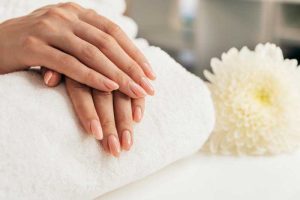
What to Do During the First 24 Hours
The first day after your appointment is a good time to be especially careful with your nails. Modern gel products are cured during the service, but the nails and surrounding skin may still benefit from gentle treatment after detailed preparation. Avoid unnecessary pressure on the nails during the first 24 hours. Do not immediately use them to open containers, pull tight zippers, scrape labels or complete tasks that place force on the tips.
Try to limit prolonged exposure to very hot water, steam and harsh cleaning products. A normal shower or handwashing is not usually a problem, but spending a long time soaking the hands can affect the surrounding skin and may place additional stress on lifted or damaged areas. Apply a small amount of cuticle oil later in the day if your technician recommends it. Massage it gently into the skin around each nail rather than flooding the entire nail with product. If you notice immediate pain, unusual swelling, bleeding or a nail that feels unstable, contact the salon rather than waiting for the problem to become worse.
Apply Cuticle Oil Every Day
Cuticle oil is one of the most useful parts of a regular Russian manicure care routine. Detailed nail preparation can leave the area looking extremely clean, but the surrounding skin still needs moisture. Apply cuticle oil once or twice a day, especially after washing your hands frequently. Place a small amount around the base and sides of each nail, then massage it gently into the surrounding skin. Regular cuticle oil can help the skin feel softer and appear less dry. It may also reduce the temptation to pull at small pieces of dry skin around the nails.
For the best results, keep a small bottle:
- Beside your bed
- In your handbag
- Near your computer
- On your bathroom counter
- At your workplace
Choose a simple routine you can realistically maintain. Applying oil every day is more useful than using a large amount once a week. Do not cut or aggressively pull dry skin after applying the oil. Moisturizing should support the skin, not encourage home cuticle removal.
Use Hand Cream Regularly
Cuticle oil focuses on the skin directly around the nails, while hand cream moisturizes the wider hand and finger area. Both can be useful, particularly during cold or dry weather. Frequent handwashing, sanitizer use, indoor heating and winter air can leave the hands feeling dry. When the surrounding skin becomes rough, the manicure may also look less polished even when the gel itself remains intact.
Apply hand cream after washing your hands and before going to bed. Choose a formula that feels comfortable enough to use regularly. A product that is too greasy may remain unused, while a lighter cream may be easier to apply throughout the day. Massage the cream into the backs of the hands, fingers and surrounding nail area. Avoid aggressively pressing against a nail that is cracked, lifted or uncomfortable. In New York, seasonal weather changes can be harsh on the hands. Winter air and indoor heating often increase dryness, while frequent summer handwashing and travel can also affect the skin. Consistent moisturizing should be part of your routine throughout the year.
Wear Gloves While Cleaning
Household cleaning products can be harsh on both the skin and the surface of a manicure. Strong chemicals may dry the hands, reduce shine or weaken areas where the product has already started lifting.
Wear protective gloves when:
- Washing dishes
- Cleaning the bathroom
- Using bleach or disinfectants
- Scrubbing surfaces
- Handling strong detergents
- Gardening
- Washing a car
- Completing tasks involving repeated water exposure
Gloves do not only protect the polish. They also reduce prolonged contact between the skin and cleaning chemicals.Choose gloves that fit properly. Gloves that are too large may make it difficult to grip objects, while extremely tight gloves can place unnecessary pressure on longer nails. For tasks involving a lot of water, check that the gloves are not leaking. Wet hands trapped inside gloves for a long period can become uncomfortable and may soften the surrounding skin.
Avoid Using Your Nails as Tools
One of the most common causes of chips, cracks and broken extensions is using the nails to perform tasks they were not designed to handle.
Do not use your nails to:
- Open cans
- Lift package seals
- Scrape labels
- Pry open containers
- Remove staples
- Press hard buttons
- Pull metal tabs
- Separate frozen items
- Tighten small objects
Use an actual tool instead. A spoon, coin, key, pair of scissors or package opener can protect your manicure from unnecessary force. This advice is especially important for almond, coffin and stiletto shapes. Longer nails create more leverage when pressure is placed on the tip. Even a strong enhancement can crack if it is repeatedly used to pry or pull. A manicure can look strong without being indestructible. Treat the nails as a beauty service, not as household equipment.
Be Careful While Typing and Using Your Phone
Typing does not automatically damage a manicure, but repeated impact on the tips can create stress, especially with longer nails. Try typing with the pads of your fingers rather than striking the keyboard directly with the nail tips. This may require a small adjustment after changing to a longer shape. When using your phone, avoid pressing buttons or tapping the screen forcefully with pointed nails. Use the finger pads where possible.
Clients who type for long hours may find short almond, oval, squoval or rounded nails more comfortable than long coffin or stiletto shapes. Choosing a practical length is part of effective aftercare because it reduces daily pressure on the manicure. Tell your technician how much you type before selecting your length. A shape that suits your routine will usually be easier to maintain than one chosen only because it looks attractive in a photograph.
Avoid Picking, Peeling or Biting the Product
Never peel gel, hard gel or another enhancement from the natural nail. When you pull product away, layers of the natural nail may come off with it. This can leave the nail feeling thin, rough or sensitive.
If you notice lifting:
- Do not pull the lifted area.
- Avoid placing glue underneath it.
- Keep the area clean and dry.
- Contact the salon for a repair or removal.
- Avoid covering obvious damage with more polish.
A small lifted area can become larger when hair, fabric or water gets underneath it. Professional attention is safer than repeatedly touching or pulling it. Nail biting can also damage the product and surrounding skin. Clients who bite their nails may need a shorter shape and a maintenance plan designed around that habit.
Protect Your Nails From Excessive Water Exposure
Normal handwashing and showering are part of everyday life. The concern is prolonged or repeated exposure rather than brief contact with water. Long baths, extended swimming sessions, frequent dishwashing and repeated soaking can affect the skin around the nails. If the manicure has already started lifting, moisture may also collect around the separated area.
After swimming or bathing:
- Dry your hands thoroughly
- Check for lifting or cracks
- Apply hand cream once the skin is dry
- Add cuticle oil if needed
- Avoid immediately picking at softened skin
Wear gloves while washing dishes or completing wet household tasks. After washing your hands, pat them dry instead of rubbing aggressively around the nails. Keeping the hands clean is essential, but repeated soaking should not replace proper nail maintenance.
Limit Exposure to Harsh Chemicals
Cleaning products are not the only chemicals that can affect a manicure. Hair dye, strong solvents, paint products and some workplace materials can stain or dull the surface. Dark hair dye may discolor pale gel shades. Strong solvents can damage shine or soften certain nail products. Self-tanning products may also stain light-colored nails if they are applied without gloves.
Protect your manicure when using:
- Hair dye
- Cleaning solvents
- Paint products
- Strong disinfectants
- Self-tanning lotion
- Craft chemicals
- Automotive products
If a product does stain the manicure, do not aggressively scrape or file the surface at home. Contact the salon and ask whether the affected nail can be cleaned, repaired or repolished.
Do Not File Structured Gel or Extensions at Home
Lightly smoothing the edge of a natural nail may seem harmless, but changing the shape of structured gel or extensions without understanding the product can affect the balance of the manicure. Professional enhancements are built with specific areas of thickness and support. Filing too much from the sides or tip can weaken the structure.
Home filing may also:
- Make the nails uneven
- Remove the top seal
- Expose product layers
- Create sharp edges
- Change the stress point
- Increase the chance of cracking
If one edge feels slightly rough, use a very fine file only when your technician has told you how to do so. For larger shape changes, book a salon appointment. Do not use a nail drill at home unless you are professionally trained. Incorrect use can damage the product, natural nail or surrounding skin.
Keep the Nails at a Practical Length
Longer nails require more attention than short nails. As the natural nail grows, the product and structure move forward. This can change the balance and place more pressure on the tip. Choose a length that suits your actual routine. Consider:
- Your job
- How much you type
- Whether you care for children
- Whether you exercise frequently
- How often you clean
- Whether you wear contact lenses
- How frequently you can attend maintenance appointments
A shorter manicure is not automatically less stylish. Short almond, oval, square and squoval nails can look refined while being easier to manage. If your nails are repeatedly breaking, the problem may be the length rather than the quality of the manicure. Ask your technician whether a shorter shape or different product would be more suitable.
Maintain the Shape Between Appointments
The nail shape may gradually feel different as the nails grow. Square corners may begin to feel sharper, while almond nails may appear longer and more pointed. Do not dramatically reshape the nails at home. Instead, focus on preventing damage until your next appointment.
Check your nails regularly for:
- Rough edges
- Small cracks
- Lifting near the sides
- Changes in balance
- Product separation
- Unusual movement
- Discomfort when pressure is applied
A small repair completed early may prevent a full break later. Contact the salon when a nail feels unstable rather than waiting until the product separates completely.
Schedule Refills and Maintenance on Time
Russian gel, structured gel and hard gel manicures require professional maintenance as the natural nails grow.
The ideal refill schedule depends on:
- Your nail growth rate
- Product type
- Nail length
- Daily routine
- Existing nail condition
- Amount of lifting
- Technician recommendation
Many clients schedule maintenance every few weeks, but there is no single schedule that works for everyone. Fast-growing nails, long extensions or physically demanding routines may require earlier attention. Do not judge maintenance needs only by whether the color still looks attractive. The structure may have grown forward even when the polish remains glossy. A delayed refill can leave too much length beyond the supported area. This may make the nail more likely to crack or break under pressure.
Know When You Need a Repair
A repair may be needed when one nail becomes damaged before the rest of the manicure requires maintenance.
Contact the salon when you notice:
- A visible crack
- A chipped corner
- Significant lifting
- A loose extension
- Product separating from the natural nail
- Pain after impact
- A nail that moves when pressed
- A broken edge catching on clothing
Do not ignore a painful crack. Continuing to use the nail can place more pressure on the damaged area. Avoid applying household glue to a broken enhancement. Glue may trap moisture, make professional removal more difficult or hide the extent of the damage. A technician can assess whether the nail should be repaired, shortened or professionally removed.
When to Remove the Product Professionally
Professional removal is an essential part of Russian manicure aftercare. Gel and hard gel products are not all removed in the same way. Some products may be soaked off, while others must be carefully filed down by a trained technician. Trying to remove the product at home by peeling, scraping or over-filing can damage the natural nail.
Book professional removal when:
- You no longer want the product
- Several nails are lifting
- The manicure has grown out significantly
- You want to change from extensions to natural nails
- The product feels uncomfortable
- Your technician recommends removal instead of another refill
Professional removal should be controlled and should not feel aggressively painful. Tell your technician if you experience heat, pressure or discomfort during the process.
Aftercare for Russian Gel Manicures
A Russian gel manicure is usually applied over the natural nail with gel color or a lightly structured product.
To care for it:
- Apply cuticle oil daily
- Wear gloves during cleaning
- Avoid peeling lifting gel
- Protect the surface from harsh chemicals
- Keep the length practical
- Schedule removal or maintenance on time
Gel manicures may lose shine when exposed to abrasive surfaces or strong chemicals. Avoid scrubbing the nail surface and do not attempt to restore shine by aggressively buffing it at home. If the gel begins lifting around the edges, arrange professional care. Do not continue pressing or pulling the lifted area.
Aftercare for Russian Hard Gel Manicures
Hard gel provides more structure than standard gel polish. It is often shaped and refined to create a balanced surface. Because hard gel is structured, maintenance timing is particularly important. As the natural nail grows, the strongest part of the enhancement moves forward.
Protect hard gel nails by:
- Avoiding strong pressure on the tips
- Keeping refill appointments
- Reporting cracks early
- Not filing the structure at home
- Wearing gloves for household work
- Using cuticle oil consistently
Hard gel may not soak off in the same way as regular gel polish. It often requires professional filing and removal. Do not attempt to pry the product away from the natural nail.
Aftercare for Hard Gel Extensions
Hard gel extensions require more careful handling because the added length creates greater leverage.
Long extensions can be damaged when:
- Opening doors
- Pulling tight clothing
- Reaching inside bags
- Making beds
- Lifting heavy objects
- Typing with the tips
- Opening cans or packages
Use the sides of your fingers or finger pads where possible. Move more carefully during tasks that could catch the extension. If one extension becomes loose or cracked, avoid cutting it with ordinary scissors. Contact the salon for proper shortening, repair or removal. Clients who repeatedly break extensions should consider reducing the length or choosing a softer shape at the next appointment.
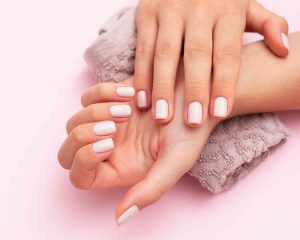
How NYC Weather Can Affect Your Manicure
New York weather changes dramatically throughout the year, and these changes can affect the hands and surrounding skin. During winter, cold temperatures and indoor heating can increase dryness. Apply hand cream and cuticle oil more frequently, and wear gloves outdoors. During summer, swimming, travel, air conditioning and frequent handwashing can affect the skin around the nails. Dry your hands carefully after water exposure and monitor the manicure for lifting. During rainy seasons, keep the hands dry after commuting and avoid leaving wet gloves on for long periods. Seasonal aftercare does not require a completely different routine. It simply means adjusting the amount of moisture and protection based on how your hands feel.
Common Russian Manicure Aftercare Mistakes
Skipping Cuticle Oil
Clients often wait until the skin looks visibly dry before using oil. Daily application is more effective than occasional heavy use.
Waiting Too Long for a Refill
A manicure can still look shiny while the structure has grown out. Delayed maintenance may make longer nails feel unbalanced.
Picking at Lifted Product
A small lifted edge may be tempting to pull, but peeling can remove layers of the natural nail.
Using the Nails to Open Objects
Repeated pressure damages even well-applied gel or extensions.
Filing the Shape at Home
Home reshaping can weaken structured gel and make the nails uneven.
Ignoring Pain or Discomfort
A manicure should not remain painful. Contact the salon when you experience persistent discomfort, swelling or a loose nail.
Choosing an Impractical Length
A shape that does not suit your daily routine will be harder to protect, regardless of how attractive it looks initially.
Signs Your Manicure Needs Professional Attention
Contact your salon when you notice a significant change in the manicure or surrounding nail area.
Professional attention may be needed for:
- Persistent pain
- Swelling
- Redness
- Bleeding
- A deep crack
- Product lifting from several nails
- A trapped dark or unusual discoloration
- A nail that feels loose
- Separation after an impact
- Suspected irritation or infection
A nail technician can assess cosmetic product issues, but unusual skin or nail symptoms may require evaluation by a qualified healthcare professional. Do not ask a salon to cover a suspected infection, open wound or significant inflammation with gel or an extension.
How Long Should a Russian Manicure Last?
There is no guaranteed wear time for every client.
The result depends on:
- Natural nail growth
- Product selection
- Nail preparation
- Application technique
- Length and shape
- Daily habits
- Exposure to water and chemicals
- Maintenance timing
- Condition of the natural nails
A client with short gel nails and a low-impact routine may experience different wear than someone with long extensions who works extensively with their hands. Focus on maintaining the manicure properly rather than trying to reach a specific number of weeks. A product that is significantly grown out, cracked or lifting should receive professional attention even if it has not been worn for very long.
Final Russian Manicure Aftercare Checklist
To keep your manicure looking fresh:
- Apply cuticle oil every day
- Use hand cream regularly
- Wear gloves when cleaning
- Avoid using your nails as tools
- Do not peel or pick gel
- Protect the manicure from harsh chemicals
- Dry your hands after prolonged water exposure
- Keep the length suitable for your routine
- Do not reshape structured gel at home
- Book repairs when damage appears
- Follow the recommended refill schedule
- Choose professional removal
These habits cannot prevent every accidental break, but they can reduce avoidable damage and help maintain the clean appearance of your manicure.
Book Your Russian Manicure Maintenance in SoHo, NYC
A beautiful manicure does not end when the application is complete. Regular home care and timely professional maintenance are both necessary to protect the finished result. Hera NYC Salon offers Russian gel manicures, hard gel manicures, hard gel extensions, repairs and professional nail maintenance at its SoHo studio.
Hera NYC Salon
412 Broadway, Suite 3F
New York, NY 10013
Book your next appointment before your manicure becomes significantly grown out, lifted or unbalanced. Your technician can recommend a maintenance schedule based on your nail growth, selected product and preferred length.