Eyelash Extensions Aftercare Guide
Eyelash extensions can create a fuller, darker and more defined lash line without the daily use of mascara or strip lashes. However, the appearance and retention of your extensions depend on more than the application itself. Your daily habits after the appointment can determine whether your lashes remain clean and evenly arranged or begin twisting, clumping and shedding prematurely.
Proper eyelash extension aftercare involves gentle cleansing, careful makeup removal, regular brushing and avoiding habits that place unnecessary pressure on the extensions. Aftercare also helps keep the eyelid area clean and makes it easier to notice irritation, unusual shedding or other problems that need professional attention. Eyelash extensions and their adhesives are considered cosmetic products by the FDA. Because the eyelids and surrounding eye area are delicate, clients should pay close attention to irritation, allergic reactions and product safety. This guide explains how to care for your eyelash extensions, protect your natural lashes and maintain a polished result between appointments.
Why Eyelash Extension Aftercare Matters
Eyelash extensions are attached to individual natural lashes. As your natural lashes move through their normal growth and shedding cycle, the attached extensions gradually fall with them. Your home-care routine cannot stop natural shedding, but it can help prevent avoidable retention problems. Rubbing the eyes, pulling extensions, allowing makeup to collect around the lash line or sleeping directly on the lashes can make the set look uneven sooner.
Good eyelash extension aftercare helps:
- Keep the lash line clean
- Prevent makeup and oil buildup
- Reduce clumping between extensions
- Maintain the direction of the lashes
- Protect the extensions from unnecessary pressure
- Support comfortable wear
- Make refill appointments easier
- Protect the appearance of the natural lashes
- Identify irritation or application problems early
Aftercare should not mean avoiding water or refusing to clean the eye area. The lashes and eyelids still need regular, gentle hygiene.
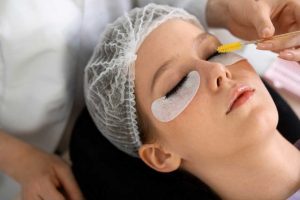
Follow Your Technician’s Initial Aftercare Instructions
Before leaving the salon, ask your technician when you can expose your extensions to water, steam, exercise and eye-area products. Lash adhesives and application systems are not identical. Your technician should provide instructions based on the adhesive used, the salon environment and the application process. Do not automatically follow a generic rule found on social media when it conflicts with the instructions given for your specific service. During the initial period recommended by your technician, you may need to limit:
- Heavy steam
- Saunas
- Very hot showers
- Intense exercise
- Swimming
- Oil-heavy eye products
- Rubbing the eyes
- Sleeping directly on the lashes
- Heavy eye makeup
You may wash your face carefully, but avoid placing unnecessary pressure on the extensions. Pat around the eye area rather than rubbing it with a towel. If you accidentally expose the lashes to water earlier than recommended, do not panic or start pulling at them. Allow them to dry, brush them gently and contact your technician if you notice significant twisting or shedding.
Clean Your Eyelash Extensions Regularly
One of the worst pieces of eyelash extension advice is that the lashes should never be washed. Failing to clean them allows makeup, skincare residue, natural oils and environmental debris to collect around the lash line. Regular cleansing helps keep the lashes separated and prevents visible buildup. It also gives you an opportunity to examine the eyelid area for redness, swelling or discomfort. Use a cleanser that your technician confirms is suitable for eyelash extensions.
Avoid ordinary bar soap, harsh facial cleansers and products that leave a heavy residue around the eyes. Your cleanser should be used gently. Scrubbing aggressively does not clean the extensions more effectively and can place unnecessary pressure on both the extensions and natural lashes.
How to Wash Eyelash Extensions Correctly
Washing extensions properly is more important than simply splashing water over them. Follow this general routine unless your technician has provided different instructions:
- Wash your hands before touching the eye area.
- Remove compatible eye makeup gently.
- Apply a small amount of lash-safe cleanser.
- Clean the lash line with light downward or side-to-side movements.
- Avoid pulling at the extensions.
- Rinse the cleanser away thoroughly.
- Pat the surrounding skin dry with a clean towel.
- Allow the lashes to air-dry or use a cool, gentle airflow.
- Brush the extensions once they are dry.
Pay attention to the base of the lashes, where makeup and oil can accumulate. Cleaning only the tips will not properly clean the lash line. Keep your eyes closed while washing. If cleanser enters the eye and causes discomfort, rinse thoroughly with clean water. Persistent pain, redness or vision changes require professional medical advice.
How Often Should You Clean Your Lash Extensions?
Many extension wearers benefit from gentle daily cleansing, particularly when they wear eye makeup, exercise regularly or have naturally oily skin. You may need more careful cleansing after:
- Wearing eyeliner or eyeshadow
- Exercising heavily
- Swimming
- Spending time in humid weather
- Applying sunscreen near the eye area
- Using facial products that migrate toward the lashes
- Being exposed to dust or environmental debris
Do not wait until the lashes look visibly dirty. Once buildup becomes obvious, the extensions may already be sticking together or becoming difficult to separate. Clients with sensitive skin or specific eye conditions should ask an appropriate healthcare professional about products that are safe for their eye area.
Brush Your Extensions Gently
A clean lash brush can help keep the extensions aligned and separated. Brush the lashes after they are dry. Place the brush near the middle of the extensions and move gently toward the tips. Avoid pressing the brush forcefully into the base of the lash line. Do not repeatedly brush the extensions throughout the day without a reason. Excessive handling can create unnecessary friction.
Brush them when:
- You wake up
- They have dried after cleansing
- Wind has disturbed the shape
- A few lashes appear crossed
- You are preparing for the day
Clean or replace your lash brush regularly. A brush covered in makeup, oil or dust should not be used around the eyes. If several extensions appear stuck together and gentle brushing does not separate them, contact the salon. Do not force them apart with tweezers or your fingers.
Avoid Rubbing Your Eyes
Rubbing is one of the fastest ways to disturb eyelash extensions. When you rub the eye area, you can twist the extensions, pull natural lashes and place pressure on the adhesive bonds. Rubbing may also transfer dirt or bacteria from the hands to the eyes. When your eyes feel itchy, do not scratch through the extensions. Determine why the irritation is occurring.
Possible causes may include:
- Dry eyes
- Seasonal allergies
- Makeup residue
- Skincare products
- Poor cleansing
- Adhesive sensitivity
- An incorrectly positioned extension
- An unrelated eye condition
Persistent itching should not be dismissed as normal. Contact your lash technician and seek medical care when symptoms are significant or continue to worsen.
Never Pull or Pick at the Extensions
As the extensions grow out, some lashes may begin pointing in a different direction. You may also notice small gaps as natural lashes shed. Do not pull extensions simply because they look loose or uneven. Pulling can remove a natural lash before it is ready to shed. You should also avoid:
- Twisting extensions between your fingers
- Pulling at the lash line
- Cutting individual extensions
- Removing adhesive with household products
- Using ordinary tweezers near the eye
- Attempting professional removal at home
Repeated pulling can contribute to natural lash loss. The American Academy of Ophthalmology warns that improper or prolonged extension use can be associated with irritation, allergic reactions and damage to natural lashes. Schedule a refill or professional removal when the extensions become difficult to manage.
Be Careful With Oil-Based Products
Not every facial oil automatically destroys every lash adhesive, but heavy or residue-producing products around the lash line can make extensions more difficult to clean and may affect retention depending on the adhesive system. Ask your technician which products are compatible with your set.
Pay particular attention to:
- Oil-based makeup removers
- Cleansing balms
- Heavy eye creams
- Facial oils
- Waterproof makeup removers
- Rich sunscreens
- Hair products that transfer to the face
Do not apply skincare directly over the extension bonds. Keep eye creams on the surrounding orbital area rather than pressing them into the lash line. When trying a new product, watch for changes in retention, buildup or irritation.
Choose Eye Makeup Carefully
One advantage of extensions is that many clients need less eye makeup. However, extensions do not mean you must completely stop wearing eyeshadow or eyeliner. Choose products that are easy to remove without aggressive rubbing. Avoid applying thick, sticky eyeliner directly through the lash line. It can collect around the extension bases and become difficult to remove.
Powder eyeshadow is usually easier to manage than heavy cream products, but loose powder can fall into the lashes. Clean the extensions properly after wearing makeup. Avoid waterproof eye makeup unless your technician has specifically approved it. Waterproof formulas often require stronger removers and more rubbing, both of which can disrupt extensions. Never sleep with eye makeup on. Leaving makeup around the lashes can lead to buildup, clumping and irritation.
Should You Wear Mascara With Eyelash Extensions?
Mascara is normally unnecessary when the extension set has been designed correctly. Applying mascara can make the extensions stick together, create difficult-to-remove buildup and change the texture of the set. Waterproof mascara should not be applied over eyelash extensions. When you feel that the lashes need mascara to look full enough, the better solution may be:
- Booking a refill
- Selecting a fuller style
- Adjusting the lash map
- Choosing mixed or volume extensions
- Discussing retention problems with your technician
Do not use mascara to hide poor retention or excessive gaps. It can make the next cleaning and refill appointment more difficult.
Avoid Mechanical Eyelash Curlers
Do not use a traditional mechanical lash curler over extensions. The pressure of the curler can bend the fibers, weaken adhesive bonds or accidentally pull the extensions and natural lashes. Extensions already have a manufactured curl. Your technician selects the curl according to your natural lashes and desired style. When the extensions appear too straight or no longer create the lift you prefer, discuss a different curl at your next appointment instead of trying to reshape them at home. Heated lash curlers should also be avoided unless a qualified professional has specifically confirmed that a particular product is safe for your extensions.
Protect Your Lashes While Sleeping
Your sleeping position can affect how evenly extensions wear. Sleeping directly on your face may press one side of the lash set into the pillow. Over time, this can cause twisting, bending or faster shedding on that side. Try sleeping on your back when comfortable. Side sleepers should avoid pushing the eye directly into the pillow. A smooth pillowcase may reduce friction compared with a rough fabric, but it does not eliminate the need to avoid crushing the lashes. Do not wear a tight sleep mask that presses against the extensions.
Choose a contoured mask with enough space around the eyes when you need one. If one eye consistently loses extensions faster than the other, your sleeping position may be contributing to the difference.
Showering With Eyelash Extensions
Once you have completed the initial aftercare period provided by your technician, you can shower normally. However, avoid directing high-pressure water straight at the lashes. Excessively hot water and heavy steam may also affect comfort and retention. During a shower:
- Keep the water pressure gentle around your face
- Avoid rubbing the eyes
- Do not allow shampoo to remain around the lash line
- Rinse away face wash thoroughly
- Pat the skin dry afterward
- Allow the lashes to dry before brushing
Do not avoid washing the lashes merely because you are afraid of water. Properly cleaning and drying them is better than allowing residue to accumulate.
Swimming With Eyelash Extensions
Swimming is generally possible after following the initial adhesive-care instructions given by your technician. Chlorine, salt water, sunscreen and repeated water exposure may affect the appearance or retention of the set, especially when the lashes are not cleaned afterward. After swimming:
- Rinse the eye area with clean water.
- Clean the extensions with an appropriate cleanser.
- Remove sunscreen residue around the eyes.
- Allow the lashes to dry.
- Brush them gently once dry.
Avoid rubbing the eyes with a beach towel. Pat the surrounding area carefully. Goggles can protect the eyes during swimming, but tight goggles may press against long extensions. Check the fit before wearing them for an extended period.
Exercise and Sweating
Regular exercise does not mean you cannot wear eyelash extensions. After completing the initial care period, clean the lashes after workouts when sweat, sunscreen or makeup has collected around the eye area. Do not wipe sweat by dragging a towel across the extensions. Blot the forehead and surrounding skin instead.
Exercise environments can expose the lashes to:
- Sweat
- Facial oils
- Sunscreen
- Dust
- Steam
- Shared equipment
- Frequent face touching
Wash your hands before cleaning the eye area. Consistent hygiene is more useful than attempting to keep the extensions completely dry during every workout.
Saunas, Steam Rooms and High Heat
Frequent exposure to high heat and steam may affect extension retention and can make the lashes more difficult to maintain. Follow your technician’s instructions before using:
- Saunas
- Steam rooms
- Hot yoga studios
- Facial steamers
- Heated spa treatments
- Very hot showers
Do not place your face directly over steam. After high-humidity exposure, allow the extensions to dry and brush them gently. Clients who use saunas regularly should tell the technician before the appointment. The technician can explain whether the expected retention is realistic for that lifestyle.
Be Careful With Hair Products and Facial Treatments
Hair spray, dry shampoo, conditioner and styling oils can migrate toward the eyes or settle on the extensions. When using spray products, turn your face away and protect the eye area. Wash the lashes if visible residue collects on them. Tell facialists, makeup artists and other beauty professionals that you are wearing eyelash extensions. Facial steam, oily massage products and towels placed over the eyes may disturb them. Before booking procedures involving the eye area, ask whether the extensions must be removed. The American Academy of Ophthalmology advises removing eyelash extensions before eye surgery.
Keep Your Hands and Lash Tools Clean
Anything used near the eyes should be kept clean.
This includes:
- Lash brushes
- Makeup brushes
- Eyeliner applicators
- Eyeshadow brushes
- Towels
- Pillowcases
- Sleep masks
Do not share lash brushes or eye cosmetics with other people. The FDA advises against sharing eye cosmetics and recommends keeping eye-area products clean to reduce contamination risks. Replace eye makeup when it has changed in smell, color or texture. Do not add water or saliva to dried products.
Schedule Refill Appointments on Time
Extensions gradually become less even as natural lashes shed and new lashes grow.
Refill timing depends on:
- Natural lash-growth patterns
- Extension style
- Daily cleansing
- Skin and skincare products
- Sleeping habits
- Exercise and swimming
- Makeup use
- Desired fullness
Many clients schedule refills every few weeks, but your technician should recommend the timing based on the condition of your set. Do not wait until only a few extensions remain and expect a quick refill. When too much of the original set has been lost, the technician may need to perform a new full application. Regular appointments also allow the technician to remove grown-out extensions before they begin twisting or feeling uncomfortable.
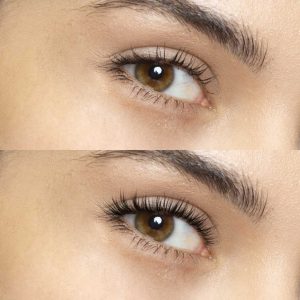
What Happens During a Lash Fill?
During a fill appointment, the technician examines the remaining set, cleans the lash area and removes extensions that have grown too far from the base. New extensions are then applied to suitable natural lashes to restore fullness and balance. A fill is not simply the process of placing more fibers wherever gaps are visible. The technician must account for:
- Natural lash condition
- Extension growth
- Direction
- Weight
- Isolation
- Symmetry
- The original lash design
Arrive with clean lashes and no eye makeup. Spending part of the appointment removing buildup leaves less time for actual application.
Why Your Lash Extensions May Be Shedding Quickly
Some shedding is normal because natural lashes are constantly moving through their growth cycle. However, unusually rapid or uneven loss may be related to:
- Poor home cleansing
- Eye rubbing
- Oil-heavy residue
- Sleeping on one side
- Excessive heat or steam
- Picking at the extensions
- Wearing unsuitable makeup
- Application problems
- Natural seasonal shedding
- A style that is too heavy
- A change in medications or health
Do not immediately assume that every lost extension represents poor work. Examine the pattern and discuss it honestly with your technician. When an extension falls with a natural lash attached, it may be part of normal shedding. When numerous fibers fall without natural lashes shortly after application, contact the salon to discuss the issue.
How to Protect Your Natural Lashes
The goal of extension wear should not be to apply the longest or heaviest set possible. Your natural lashes must be able to support the selected fibers. Excessive weight, poor isolation or repeated pulling can place unnecessary stress on them. Protect your natural lashes by:
- Choosing a professionally trained technician
- Selecting an appropriate length and weight
- Cleaning the lashes consistently
- Avoiding picking and pulling
- Booking timely fills
- Using professional removal
- Taking breaks when advised
- Reporting discomfort early
Eyelashes help protect the eyes from debris, so avoiding unnecessary damage is more than a cosmetic concern. A responsible technician may refuse a very heavy style when your natural lashes cannot safely support it.
Never Remove Extensions at Home
Professional lash adhesive should not be dissolved with random oils, household chemicals or nail products. Attempting home removal can cause you to pull natural lashes, irritate the eyelids or accidentally place chemicals in the eyes. Professional removal uses products and techniques designed for lash adhesive. The technician isolates the eye area and removes the fibers without requiring forceful pulling.
Book removal when:
- You no longer want extensions
- The set has become uncomfortable
- Several lashes are twisted
- You need eye surgery
- You have been advised to remove them
- You want to switch to a lash lift
- You are experiencing repeated retention problems
Do not cut extensions with scissors near the eyes.
What to Do If Your Eyes Become Irritated
Mild awareness immediately after an appointment is not the same as continuing pain, swelling or burning. Contact the salon and seek medical care when you experience:
- Persistent redness
- Swollen eyelids
- Strong itching
- Burning
- Eye pain
- Significant tearing
- Discharge
- Light sensitivity
- Blurred vision
- Difficulty opening the eye
False lashes, extensions and their adhesives can cause allergic reactions, irritation or injury around the delicate eye area. The FDA recommends checking adhesive ingredients and stopping use when a cosmetic product causes a reaction. Do not ask a technician to diagnose an eye condition. Lash professionals can identify cosmetic application issues, but medical symptoms require an appropriate healthcare professional.
Signs of a Poorly Applied Extension
Extensions should not feel as though they are pinching, pulling or poking the eyelid. Possible application problems include:
- Several natural lashes glued together
- Adhesive touching the skin
- Extensions pointing toward the eye
- Persistent pulling when blinking
- Excessive heaviness
- Sharp discomfort
- Large clumps of adhesive
- Difficulty cleaning the lash line
Do not attempt to separate improperly attached lashes yourself. Contact the salon and ask for an assessment or professional removal. The safest response to painful extensions is not to wait several weeks and hope the discomfort disappears.
Can You Wear Contact Lenses With Lash Extensions?
Many contact-lens wearers have extensions, but contact lenses should generally be removed during the application appointment when instructed by the technician. Your eyes remain closed for an extended period, and removing the lenses may reduce dryness or discomfort. Bring your lens case and glasses to the appointment. Tell your technician when you experience frequent dry eyes, sensitivity or difficulty keeping the eyes closed. When irritation occurs after the service, remove contact lenses according to your eye-care provider’s instructions and seek professional medical advice when needed.
Eyelash Extension Care While Traveling
Travel can expose extensions to dry airplane air, swimming, sunscreen, humidity and disrupted routines.
Pack:
- A lash-safe cleanser
- A clean lash brush
- A small clean towel
- Compatible eye makeup
- A suitable makeup remover
- A contoured sleep mask when needed
Do not skip cleansing because you are away from home. Schedule a refill close enough to your departure that the lashes look full, but leave enough time to address any irritation or adjustment before traveling. When visiting a humid destination, expect that your skincare, swimming and activity levels may affect retention.
Eyelash Extension Care in NYC Weather
New York weather can affect how your lashes feel and how often they need cleaning. During humid summers, sweat, sunscreen and facial oils may accumulate more quickly around the eye area. Clean the lashes after heavy outdoor activity. During winter, indoor heating and cold air may make the eye area feel dry. Avoid responding by rubbing the eyes or applying heavy cream directly through the lash line. Rain, wind and city debris can also disturb the set. Allow wet lashes to dry before brushing them. Seasonal changes may alter retention, but consistent cleaning and gentle handling remain the foundation of effective care.
Common Eyelash Extension Aftercare Mistakes
Avoiding Lash Cleansing
Some clients believe water will immediately remove their extensions, so they avoid cleaning the lash line. This allows residue to accumulate and can make the extensions appear clumped.
Pulling Grown-Out Extensions
A grown-out extension may look out of place, but pulling it can remove the attached natural lash. Let your technician remove it during a refill.
Using Waterproof Makeup
Waterproof makeup is difficult to remove gently and may require products that leave heavy residue around the lash line.
Sleeping Directly on the Lashes
Constant pressure against a pillow may bend the extensions and create uneven retention.
Waiting Too Long Between Fills
Delaying maintenance allows more extensions to shed and others to grow far from the base, making the set look uneven.
Ignoring Irritation
Persistent pain, swelling or redness is not an acceptable part of wearing extensions. Stop using irritating products and seek appropriate help.
Choosing Excessive Length or Weight
A dramatic set should still be suitable for the condition of the natural lashes. Heavier does not automatically mean better.
Daily Eyelash Extension Aftercare Routine
A simple routine is easier to maintain than a complicated one.
Morning
Check the lashes for twisting or visible residue. When necessary, cleanse them and allow them to dry. Brush gently once dry.
During the Day
Avoid touching, pulling or rubbing the extensions. Keep heavy skincare and hair products away from the lash line.
Evening
Remove eye makeup carefully and cleanse the extensions. Rinse them thoroughly, let them dry and brush them into place.
Weekly Check
Look for grown-out extensions, persistent gaps, twisting or discomfort. Book maintenance instead of attempting home repair. Consistency matters more than constantly handling the lashes.
How Long Do Eyelash Extensions Last?
There is no guaranteed retention period that applies to every person.
Extension wear depends on:
- Natural lash shedding
- Application quality
- Aftercare
- Skin type
- Product compatibility
- Lash style
- Lifestyle
- Makeup habits
- Sleeping position
- Heat and humidity
A full set does not remain perfectly full until every extension disappears. The lashes gradually become lighter as natural shedding occurs, which is why maintenance appointments are needed. Focus on healthy, clean wear rather than trying to keep every extension attached for the longest possible time.
Eyelash Extension Aftercare Checklist
Use this checklist to protect your set:
- Follow your technician’s initial instructions
- Clean the extensions regularly
- Use a compatible lash cleanser
- Rinse products away thoroughly
- Brush only when the lashes are dry
- Avoid rubbing and pulling
- Keep oil-heavy residue away from the lash line
- Avoid waterproof mascara
- Do not use a lash curler
- Protect the lashes while sleeping
- Clean them after swimming and exercise
- Book fills on time
- Arrange professional removal
- Report persistent irritation
- Seek medical care for significant eye symptoms
These habits cannot prevent natural lash shedding, but they can reduce unnecessary damage and help your extensions remain clean and attractive.
Book Eyelash Extensions and Refills in SoHo, NYC
Proper application and consistent aftercare work together. A beautiful set will not remain clean and balanced when it is repeatedly rubbed, left covered in makeup or worn far beyond its maintenance schedule. Hera NYC Salon offers customized eyelash extensions and professional refill appointments at its SoHo studio. Available styles may include classic, mixed-volume, volume and extra-volume lash extensions.
Hera NYC Salon
412 Broadway, Suite 3F
New York, NY 10013
Book your appointment with clean, makeup-free lashes. Your technician can recommend a style and refill schedule based on your natural lashes, preferred result and daily routine.